
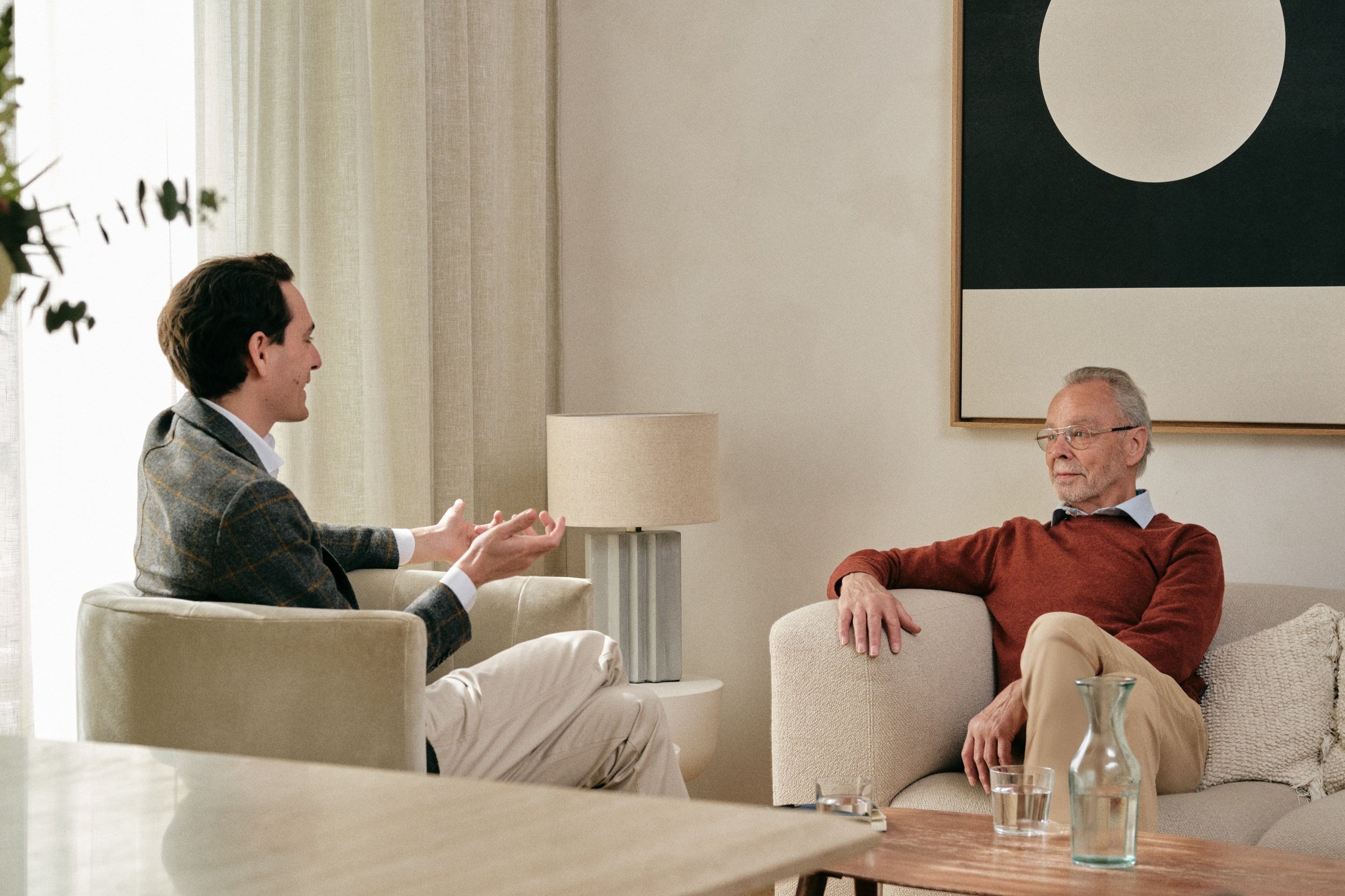
Relaxation and stress reduction
Introduction
A cancer diagnosis affects both your body and your mind. Stress is a natural part of this process. However, you can learn to cultivate a sense of calm. Not by trying harder, but by adopting small habits that help calm your nervous system and breathing. At Mauro, you’ll receive a plan tailored to your daily routine and treatment. You’ll work with a dedicated oncologist and, when necessary, an external psychologist. Appointments can be scheduled on-site or, if you prefer, at your home.
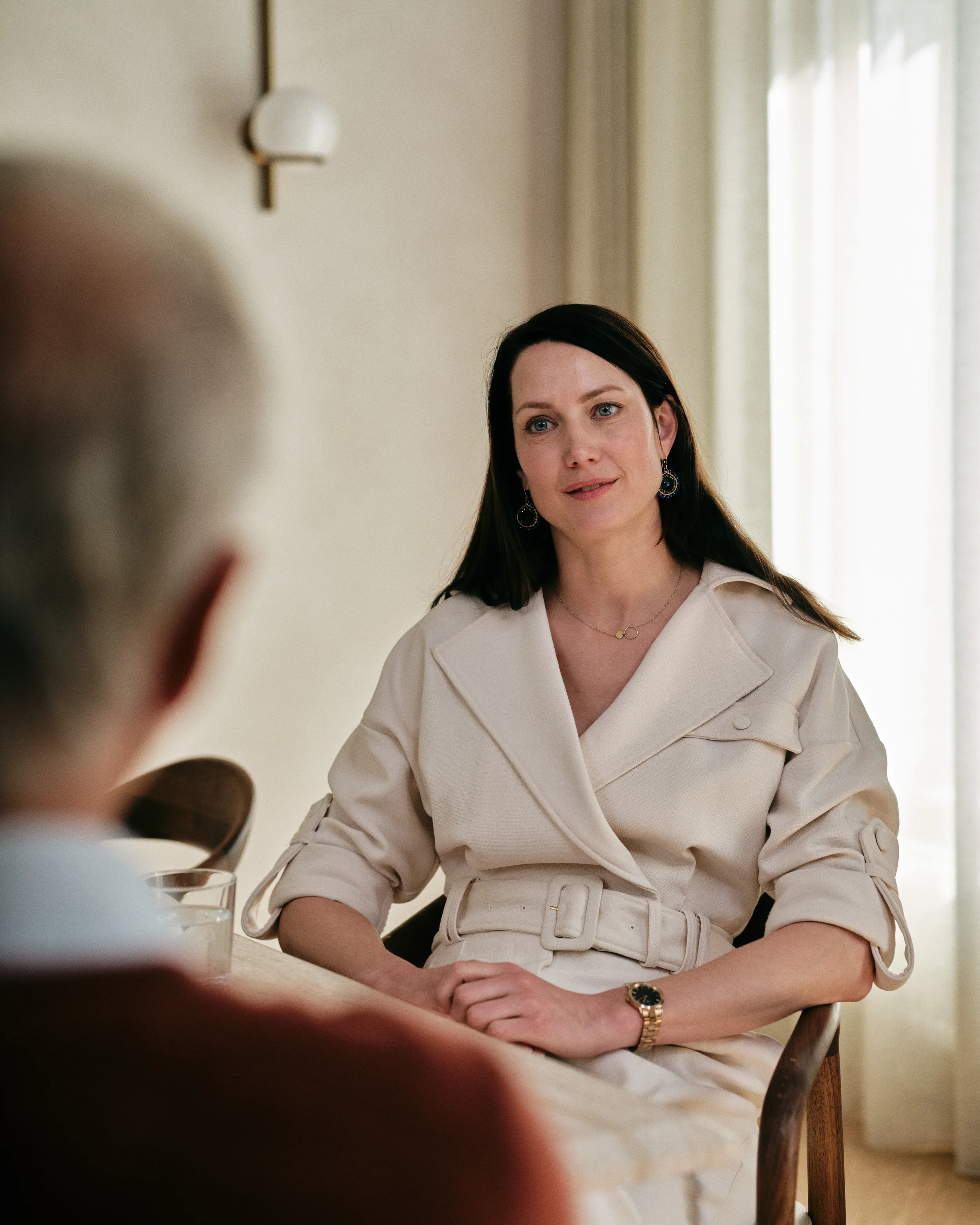
What stress can do to you
Stress isn’t a sign of weakness. It’s an alarm system that warns you. If the system stays on for too long, it drains your energy. Your sleep becomes restless, your muscles tense up, and your mind keeps racing. By gently applying the brakes through your breath, mindfulness, and rhythm, the tension eases and you regain the energy you need for what truly matters.
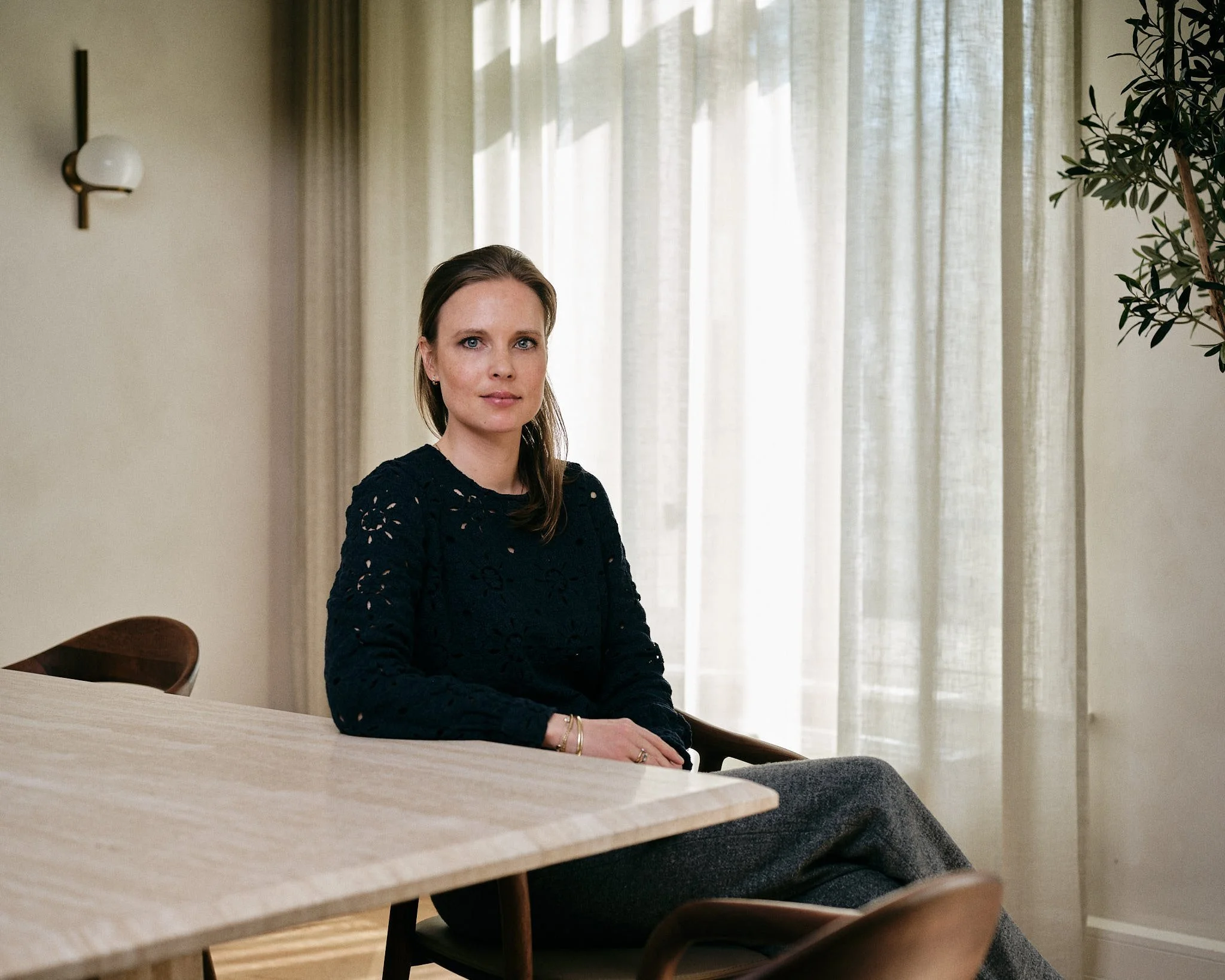
For a peaceful start to your day
Peace of mind doesn’t just happen in the evening. It starts with a simple routine. Get up around the same time every day. Step outside briefly to get some light and fresh air. Do a short, manageable exercise. Spread your meals throughout the day and don’t make any plans. These consistent routines signal to your body that it’s safe. With that foundation, short relaxation exercises work better and you’ll be more likely to stick with them.
Techniques that are friendly and effective
With just three simple techniques, you can achieve a lot. Breathe out slowly and count to four. Relax your jaw and shoulders. Focus for a minute on how the chair or bed feels against your body. These micro-exercises can be done anytime—in the waiting room, on the couch, or at night when your mind won’t stop racing. Together, we’ll choose one or two techniques that work for you and build on them from there.
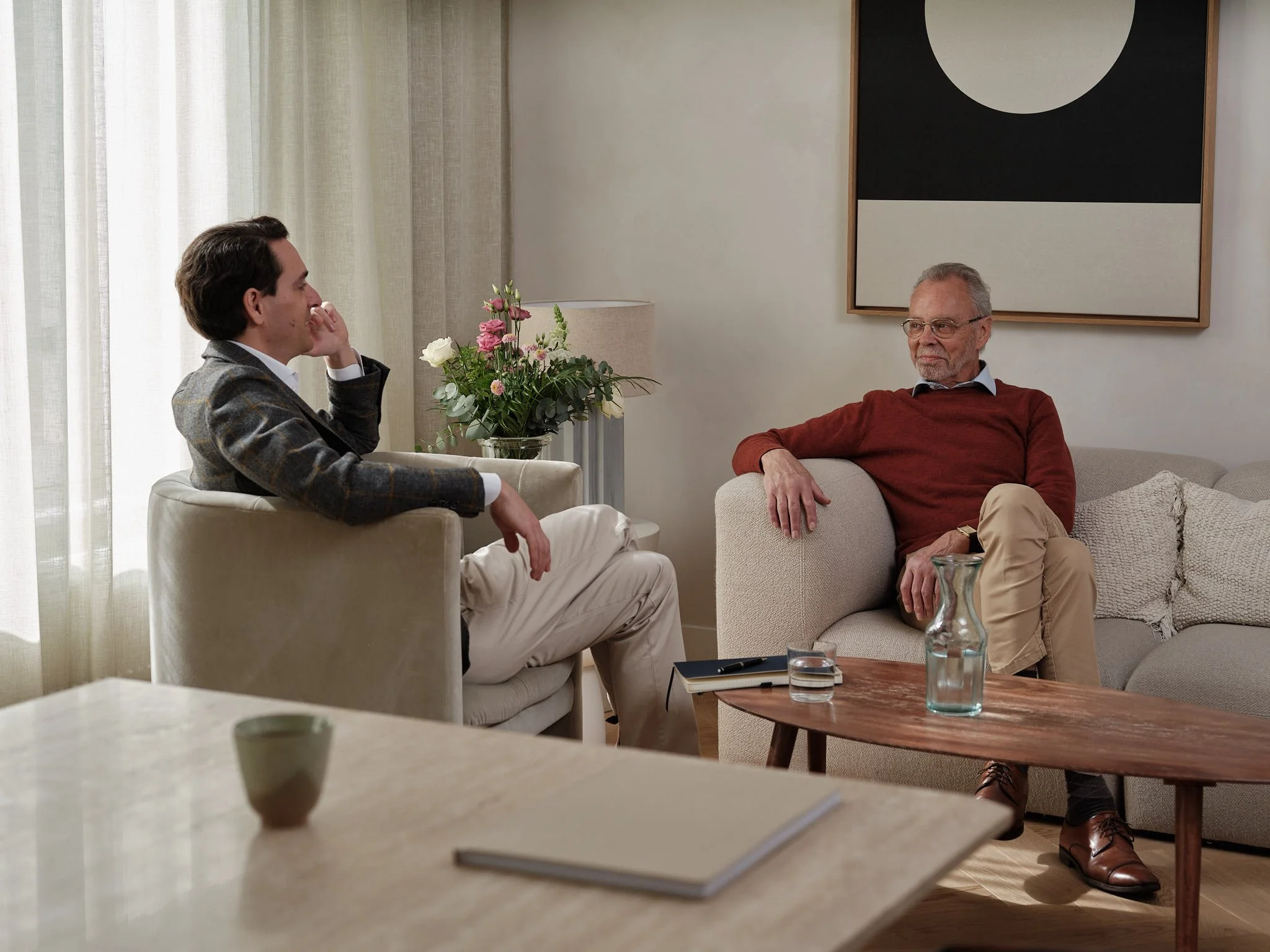
Mindfulness, yoga, or something else entirely
Mindfulness enhances your ability to bring your attention back to the here and now. Yoga combines breathing with movement. Tai chi and qigong promote calm through rhythm. Massage can reduce muscle tension. Not every form is right for everyone. If you experience nausea, dizziness, or pain, we’ll choose an option that can be done lying down or sitting. You won’t receive a whole set of exercises, but rather a short routine that works and that you’ll actually use.
Manage your sleep better
Poor sleep makes every day harder. We focus on what you do during the day. Get some light in the morning. Do a short activity after lunch. Limit naps in the late afternoon. Make your evening routine predictable by sticking to the same sequence. A warm shower or foot bath and a short breathing exercise help your body transition. If you wake up at night, don’t fight the clock. Do a short exercise and give yourself time.
When extra help is advisable
Persistent panic, depression, or compulsive anxiety require more than just self-help. Our doctor will help you find the right psychologist or medical social worker. You are not alone. We will continue to support you, combining psychological care with medical guidance and lifestyle advice.

Support that adapts to your needs
Some weeks are packed with appointments and leave little room for anything else. Other weeks, you have more flexibility. We’ll tailor the plan to your schedule. You’ll receive brief check-ins and clear guidance. This helps keep stress manageable and ensures you have energy left for your treatment, work, or family.
Read more about cancer here

Frequently Asked Questions About Relaxation and Stress Reduction
-
Yes. Relaxation doesn’t cure the illness, but it reduces stress and improves sleep and your perception of pain. As a result, you’ll feel better and will often be able to tolerate the treatment more easily.
-
Then we won’t start with long periods of sitting. We’ll choose an exercise that involves movement or focuses on the breath, lasting four times thirty seconds. Short and achievable works better than ambitious and unsuccessful.
-
That's possible, as long as it's done gently and adapted to your needs. Lying-down or sitting variations are often possible.
-
A consistent daily routine and a short evening routine help many people within a few weeks. If sleep problems persist, we work together to identify the causes and seek additional help if necessary.
-
Yes. Your regular oncologist will coordinate your treatment with the hospital. Your relaxation plan is designed to complement your chemotherapy, immunotherapy, or radiation therapy.
-
That’s possible. We can meet at a location of your choice, and we’ll come to your home if needed. This way, you can keep going, even during busy or challenging weeks.
Would you like personalized advice regarding your situation?
Please feel free to contact us to schedule an introductory meeting. We’ll listen to your needs, work with you to find the best solutions, and guide you every step of the way.