
From Illness to Health: The Power of Lifestyle in Cancer and Recovery
For a long time, healthcare revolved primarily around one thing: illness. You go to the hospital with symptoms, a diagnosed condition, or for treatment. But the focus is slowly shifting. Increasingly, it’s also about health: about how you can support your body to get better or feel fitter.
Often, it’s only a confrontation with illness or symptoms that prompts people to change their lifestyle. Yet this advice certainly applies to those who aren’t sick yet as well.
After a cancer diagnosis, the focus is usually on treatment: chemotherapy, surgery, radiation, or anti-hormonal therapy. That’s what people talk about most. But during and after such a treatment process, there’s also room for a different conversation: what can you do yourself to help your body? How can you better cope with the treatment and support your recovery?
It doesn’t all have to happen at once. Improving your health happens in small steps. Every day offers new opportunities to make conscious choices. And it is precisely those small adjustments, day after day, that make a positive difference over time.
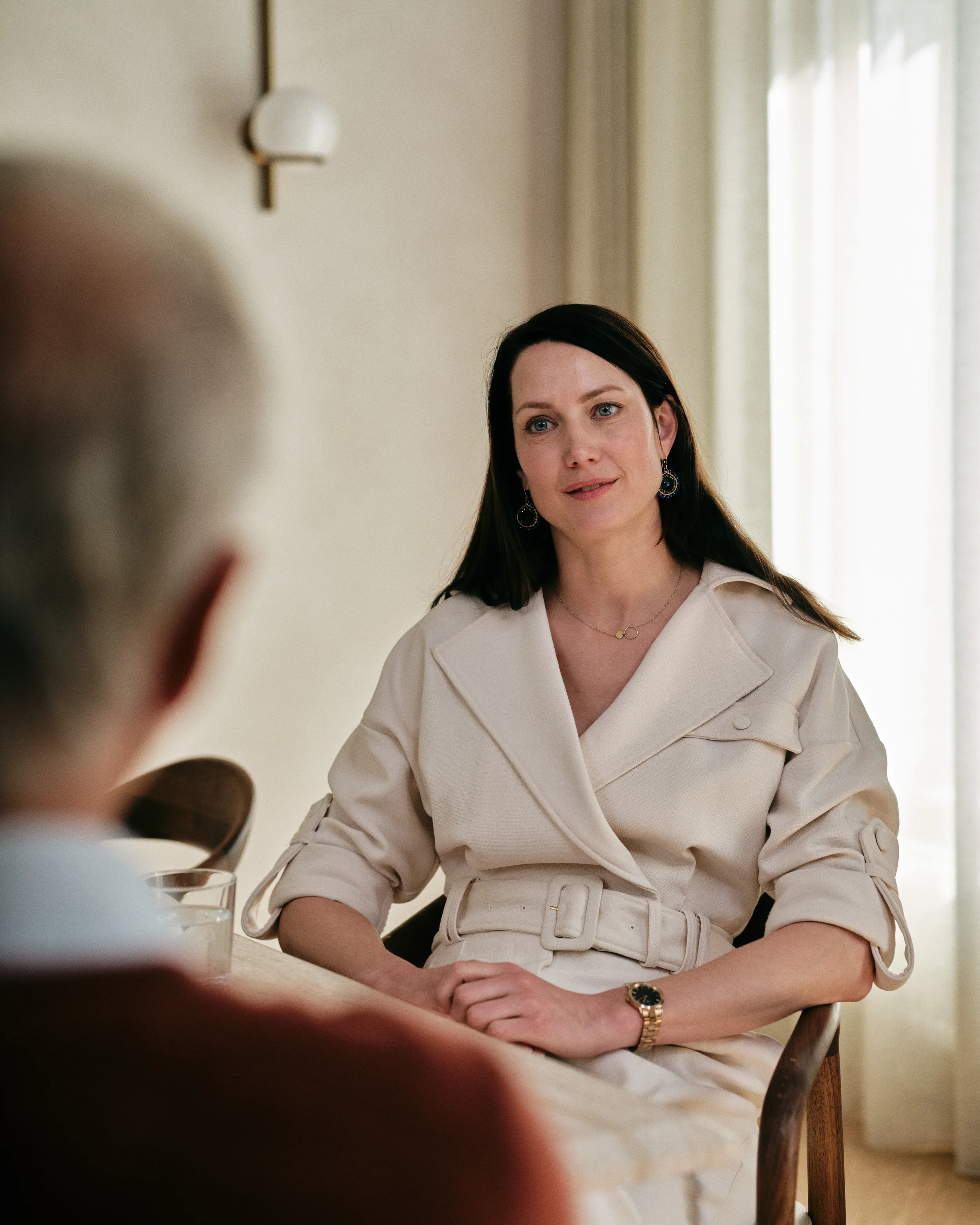
Tanja Oostergo (internal medicine oncologist)
Exercise
Exerciseis one of the lifestyle factors that we are increasingly recognizing as supportive during treatment. People who remain active during chemotherapy often experience fewer side effects, feel fitter, and suffer less from anxiety and depression. Furthermore, studies on various types of cancer show that exercise can reduce the risk of the disease returning.
Nutrition
If you want to support your body, you need to nourish it well. Fresh vegetables, fruits, and whole-grain products provide your body with fuel and nutrients. A greasy snack often contains many calories but little real nutritional value. In addition, maintaining a healthy weight reduces the risk of various conditions.
Smoking and alcohol
It’s no secret that smoking increases the risk of cancer, but it remains relevant: quitting makes sense at any time. Alcohol also increases the risk of illness, though that risk is often underestimated. Drinking less, or quitting altogether, can be a major step toward better health.
Mental Well-being
A cancer diagnosis and the subsequent treatment process turn life upside down. Sometimes you can no longer work, there are physical discomforts, stress increases due to everything going on, and there may be financial worries. It can be difficult to see the beautiful and sunny sides of life at such a time. People often need mental health support to cope with their new reality or, for example, the fear that the cancer will return. But seeking relaxation through mindfulness, yoga, or massages can also help.
More informative blogs will follow on various lifestyle factors, featuring detailed information and specific advice for each topic.
Tanja Oostergo is an internal medicine oncologist and writes informative blogs about cancer and the role of lifestyle in health and recovery.
Need personalized advice?
Do you have cancer and would you like to receive personalized advice and guidance from medical oncologist Tanja Oostergo? Visit our services page and feel free to contact Mauro Medical Specialists at 030-2072176.