
Exercise and Bone Metastases
Introduction
Bone metastases affect not only how you feel but also what is advisable to do. However, doing nothing is rarely the best solution. With a safe plan, you can stay stronger, maintain your balance, and preserve your independence. At Mauro, you’ll receive guidance from a dedicated oncologist. We tailor your exercises to the location of the metastases, your pain pattern, and your treatment. Sessions can be held at our facility or, if necessary, in the comfort of your own home.
Why Exercise Remains Important
Targeted exercise helps maintain muscle strength and overall fitness. You’ll move more easily around the house, often recover better from treatment, and sleep more soundly. It also provides mental support. The goal isn’t to train harder, but to stay active in a sensible way so your body can do what you need it to in daily life.
Safety first, your personal boundaries
Every metastasis is different. A vertebra requires different considerations than a hip or rib. Together, we’ll identify which areas are vulnerable and which movements you should avoid. Pain is your primary guide. New pain or a clear increase in pain is a reason to stop and consult with us. We’ll make sure you know which signs are cause for alarm, such as increasing pain at rest, numbness or loss of strength in your arms or legs, or a sudden increase in instability.
What can often be done
Many people can safely start with short walks on flat ground, stationary cycling on an exercise bike, and gentle mobility exercises for the shoulders, hips, and ankles. Strength training should be done with low intensity and a focus on proper form. Examples include standing up from a chair with support, a light rowing motion using a resistance band for the upper back, or controlled knee extensions while seated. We choose exercises that do not put pressure on fragile bones and that you can perform without fear.
What you should avoid
High-impact activities such as jumping, heavy lifting, or explosive strength exercises are generally not recommended. Deep bends that involve spinal rotation are also often inadvisable. We will tailor the program to your specific situation. If you have any doubts about an exercise, that’s a good reason to skip it and ask for a safer alternative.
Building up in small steps
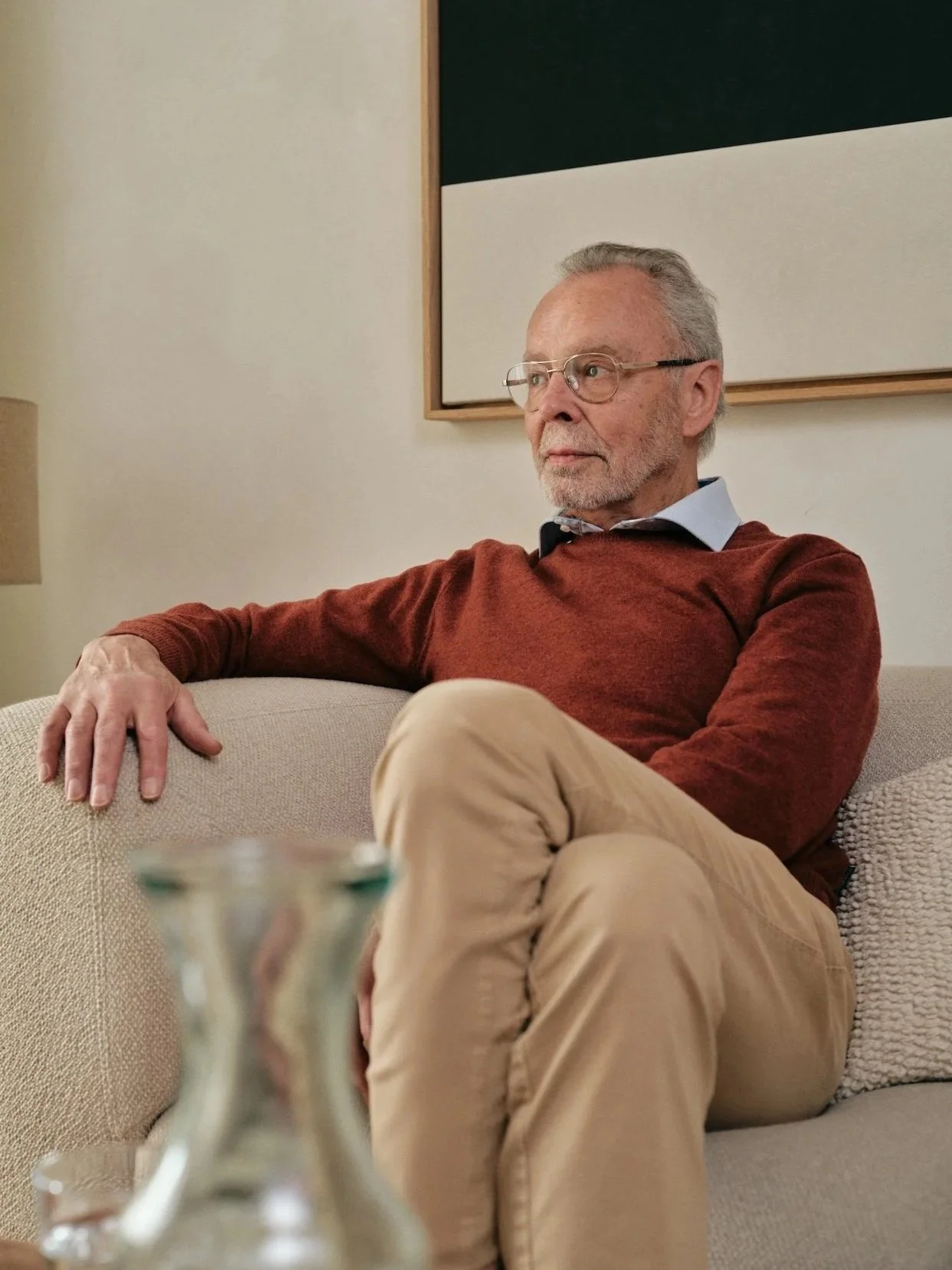
We’ll start below your comfort zone. Short sets with real breaks in between. You’ll only increase the duration or number of repetitions if things are going well. Five gentle sessions are more beneficial than two intense ones that set you back. During busy treatment weeks, we’ll stick to a light routine. During quieter weeks, we’ll gradually build up.
Assistive devices and fall prevention
A cane or walker can improve your safety and independence. Wearing sturdy shoes, ensuring your home is well-lit, and keeping clothing hems tucked in can reduce the risk of falls. We’ll discuss where you practice and how to make your environment safer. Sometimes a brace is helpful. We’ll arrange this in consultation with your care team.
Collaboration with physical therapists and the hospital
With your permission, we’ll coordinate with your doctor and physical therapist. We’ll translate the hospital’s imaging results and recommendations into clear dos and don’ts for your schedule. This way, everyone stays on the same page, and you won’t have to juggle conflicting advice.
Read more about cancer here



Frequently Asked Questions About Exercise and Bone Metastases
-
Yes, but with low impact, a gentle approach, and without putting pressure on fragile bones. We choose safe exercises and only increase the intensity once we’re doing well.
-
Pain is your guide. Sharp or persistent bone pain is a warning sign. If you’re unsure, we’ll choose a seated or lying-down option that reduces the strain.
-
Often, yes, provided the surface is flat, the environment is quiet, and you stay within your pain threshold. If your spine is involved, we avoid rotation and deep bends. We tailor this to your imaging results.
-
A brace can provide stability in certain areas. We will discuss this with your doctor and, if necessary, arrange for a fitting and instructions.
-
Complete rest is rarely necessary. Short, gentle exercise often actually helps relieve stiffness and fatigue. On days when the pain is worse, keep your routine light.
-
Yes. We’ll come to your home if needed. That way, we can practice in your own environment and make any necessary adjustments right away.
Would you like personalized advice regarding your situation?
Please feel free to contact us to schedule an introductory meeting. We’ll listen to your needs, work with you to find the best solutions, and guide you every step of the way.